


What a Great Seattle Real Estate Agent Should Do for You
Just like in any market, there are excellent real estate agents in Seattle and the Pacific Northwest — and there are agents who simply do not bring enough strategy, communication, or local knowledge to the table. Whether you are buying in Seattle, relocating to the Eastside, or preparing to sell in a competitive neighborhood, it helps to know what a strong agent should actually be doing for you from day one.
One of the best ways to evaluate your representation is to look at the real work behind a successful transaction. In a region shaped by micro-markets, commute patterns, school boundaries, hillside lots, waterfront influences, and fast-moving inventory, a capable agent should do far more than unlock doors or post a listing online. Here is what buyers and sellers in Seattle and the Pacific Northwest should expect.
Ask about your lifestyle, priorities, and long-term plans
It is risky for an agent to make assumptions anywhere, but in Seattle-area real estate, assumptions can cost you time and money. A good agent should ask thoughtful questions about how you live now, what you want next, and how your plans may change over the next few years.
A strong Seattle-area agent should ask about your commute, preferred neighborhood feel, access to transit, work-from-home needs, outdoor lifestyle, school priorities, and whether you want a move-in-ready home or are open to updates.
Those conversations matter because the right fit might not be the neighborhood you first had in mind. Someone focused on walkability may prefer Ballard, Fremont, or Capitol Hill, while another buyer may value larger lots, quieter streets, or easier Eastside access. A good agent helps connect your goals to the right location and property type.

Connect you with trusted local lenders and service partners
If you do not already have a lender, your agent should be able to recommend reputable mortgage professionals who understand Seattle and Pacific Northwest pricing, condo rules, jumbo financing, and the pace of competitive offer situations. In many neighborhoods, being fully pre-approved is not optional — it is part of being ready to compete.
Experienced agents also maintain a network of inspectors, title officers, contractors, stagers, and other professionals who can help keep your transaction moving. In a market where timing matters, those relationships can make a meaningful difference.
Explain how neighborhoods really compare
Even if you know Seattle well, each neighborhood has its own rhythm, housing stock, and price dynamics. A good real estate agent should be able to explain the practical differences between areas, not just repeat listing remarks.
Your agent should help you understand how neighborhoods compare in terms of housing style, commute options, local amenities, resale potential, and the day-to-day lifestyle each area offers.
You may have questions about ferry access, light rail convenience, weekend activity, proximity to parks, or whether a neighborhood feels more urban, residential, or transitional. A knowledgeable local agent should be ready with useful, honest guidance.
Help you find the right home — not just available homes
Online search tools are helpful, but they do not replace a skilled agent who knows how to interpret value, condition, and opportunity in the Seattle market. Photos can hide traffic noise, steep lots, deferred maintenance, awkward layouts, or location drawbacks. They can also fail to show upside that becomes obvious in person.
A good buyer's agent should set up a tailored MLS search, refine your criteria as you learn, and help you move quickly when the right home appears. They should also help you think strategically if inventory is tight, whether that means adjusting location, home style, condition expectations, or timing.
Price a home correctly from the start
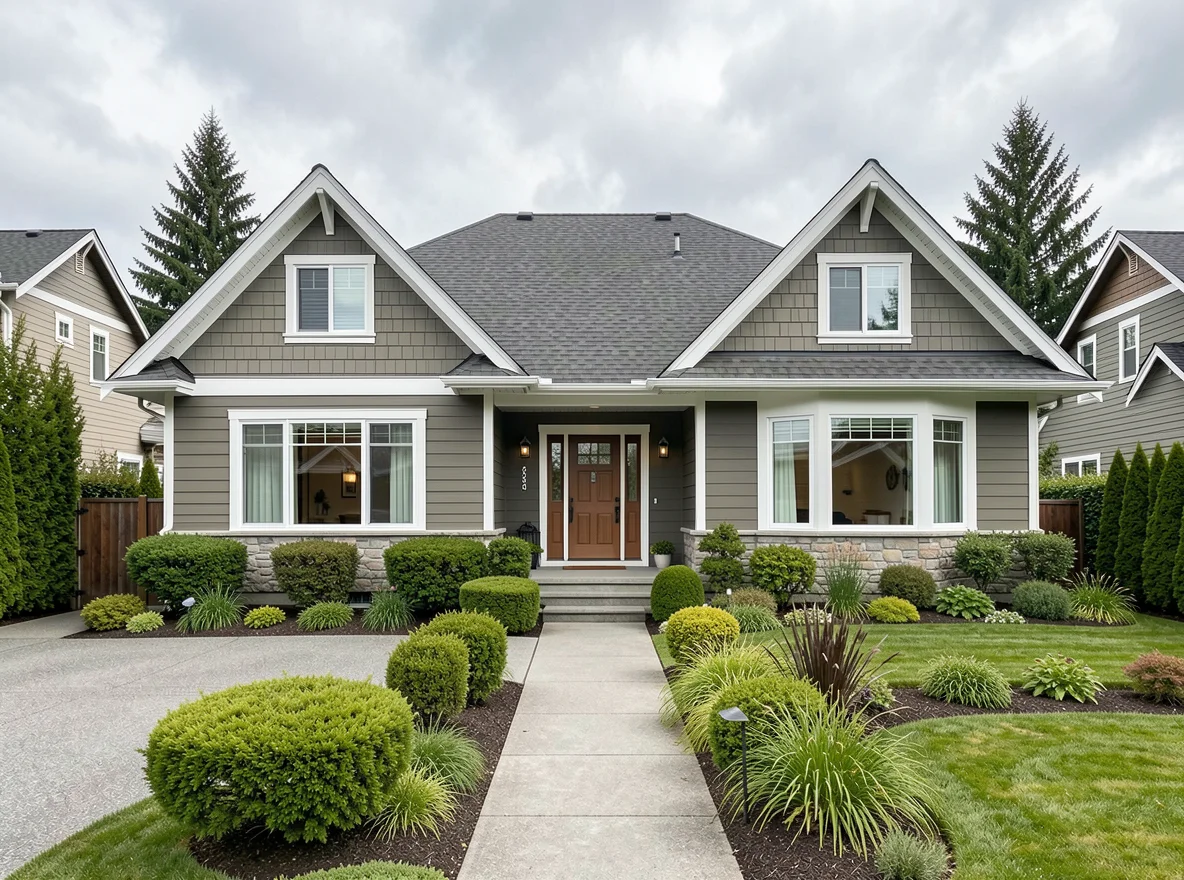
For sellers, pricing is one of the most important responsibilities your agent has. In Seattle and surrounding markets, pricing too high can reduce early momentum, limit qualified traffic, and lead to price reductions that weaken your position. Pricing too low without a clear strategy can also leave money on the table.
- A strong listing agent should study recent comparable sales, active competition, pending trends, lot and view premiums, condition, updates, and neighborhood-specific demand before recommending a price.
- They should also explain whether the strategy is designed to attract broad interest, encourage multiple offers, or position the home more selectively based on the property and market conditions.
The best agents do not just name a number. They show you how they arrived there and what that pricing strategy is intended to accomplish.
Market the home with a real plan
Sellers hire an agent for more than MLS access. A good Seattle-area listing agent should have a clear marketing plan that reflects the property, the likely buyer pool, and the expectations of today’s market.
Effective marketing should go well beyond putting a home online. It should include thoughtful positioning, strong visuals, compelling copy, preparation guidance, and a launch strategy designed to create serious buyer interest.
That may include staging recommendations, professional photography, timing advice, digital promotion, broker outreach, and messaging that highlights what makes the home stand out in its neighborhood. If an agent cannot clearly explain how they plan to market your property, that is a concern.

Help you choose the right inspector and understand condition issues
Inspections are especially important in the Pacific Northwest, where moisture, drainage, roofing, crawlspaces, older systems, and deferred maintenance can all affect a property’s value and future cost of ownership. Your agent should be able to recommend a qualified inspector and help you understand what findings are routine versus what deserves deeper attention.
For buyers, that means knowing when to investigate further and how inspection results may affect negotiations. For sellers, it can mean identifying issues early so you can decide what to repair, disclose, or price around before going to market.
Support the appraisal and protect the transaction
Appraisals can be a critical point in the process, especially when pricing is aggressive or the property has unique features such as views, updates, accessory spaces, or a location premium. A proactive agent helps make sure the appraiser has the information needed to understand the home’s value in context.
If an appraisal comes in low, it can affect financing, negotiations, and closing timelines. A prepared agent helps reduce surprises by documenting upgrades, relevant comparable sales, and the property’s competitive position.
That kind of preparation is part of protecting your deal, not just reacting after a problem appears.
Communicate clearly from contract to closing
A lot can change between an accepted offer and the day keys change hands. Financing updates, title questions, inspection negotiations, appraisal timing, repair discussions, and closing logistics all require steady communication.
Your real estate agent should be the person coordinating the moving parts, keeping you informed, and helping the transaction feel organized instead of overwhelming.
In Seattle and the Pacific Northwest, where transactions can move quickly and details matter, strong communication is not a bonus — it is part of the job. Whether you are buying or selling, your agent should make the process clearer, more strategic, and easier to navigate at every step.
If your current agent is not delivering this level of guidance, local knowledge, and follow-through, it may be time to ask whether you have the right representation for your move.