
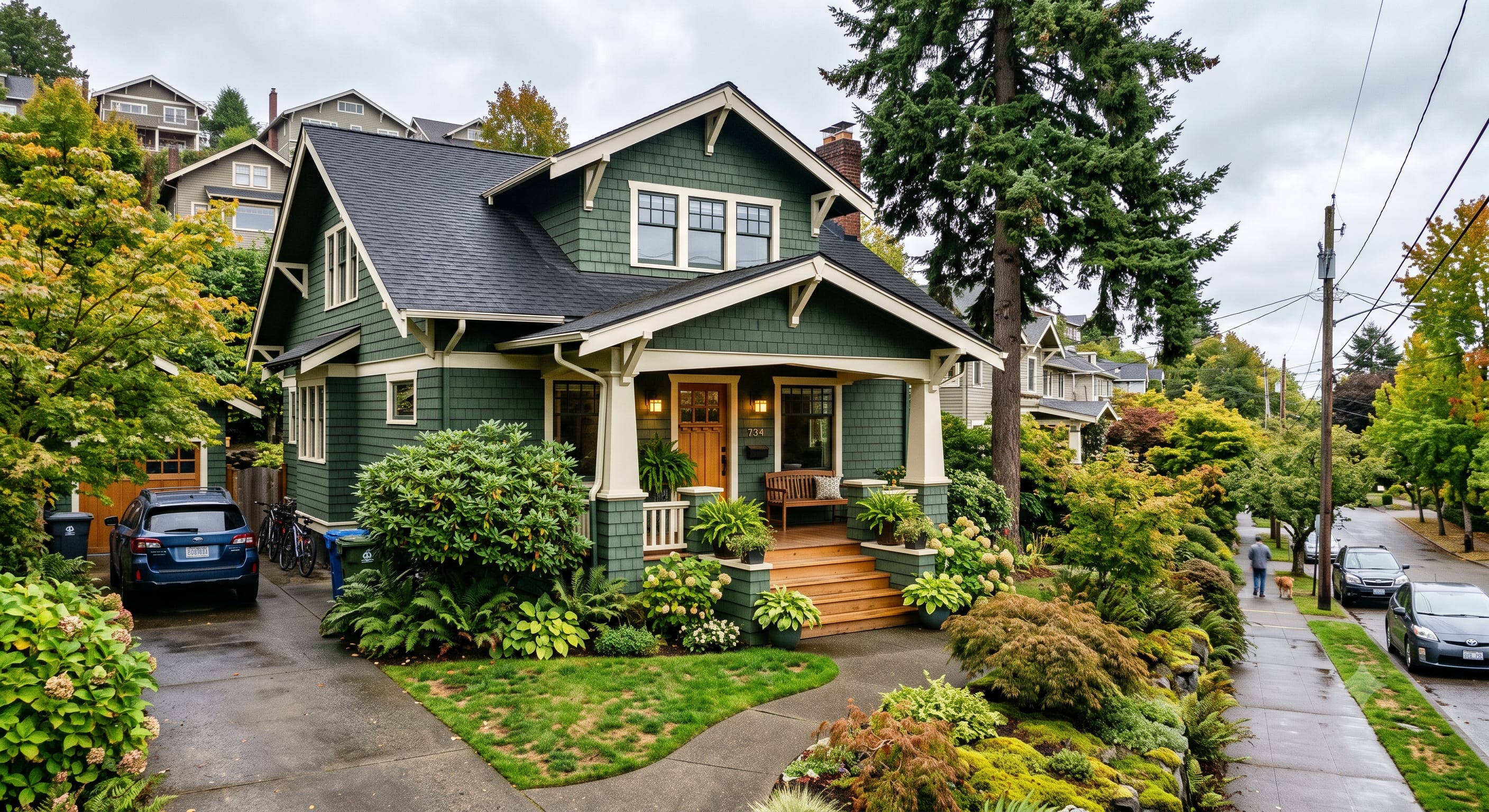

Buying a home in Seattle is exciting, but for first-time buyers it can also feel like a lot to manage all at once. Between fast-moving listings, neighborhood trade-offs, financing questions, and the pressure to act quickly, it’s easy to feel like you’re learning a new language while making one of the biggest financial decisions of your life.
The good news is that first-time buyers in Seattle and across the Pacific Northwest can avoid many of the most common mistakes with the right preparation. If you understand these five potential pitfalls and know how to avoid them, you’ll be in a much stronger position to buy with confidence in a competitive market.
1. Not understanding your down payment options
For many first-time buyers, the biggest hurdle is the down payment. In the Seattle area, where home prices can be significantly higher than the national average, that challenge can feel even more intimidating. It’s easy to assume you need a massive amount of cash saved before you can even begin, but that isn’t always the case.
- Your down payment affects more than just how much cash you bring to closing. It can also influence your monthly payment, your loan options, and whether you’ll need private mortgage insurance (PMI).
- In higher-priced markets like Seattle, Bellevue, Shoreline, and many Eastside communities, even a small percentage difference in down payment can have a meaningful impact on your monthly housing costs.
- While a 20 percent down payment can help you avoid PMI, many first-time buyers use loan programs that allow for less down. That can make homeownership possible sooner, especially if you’re balancing savings with rent, student loans, or other expenses.
- Washington buyers may also benefit from down payment assistance programs and first-time buyer resources, depending on income, credit, and program eligibility. Exploring those options early can help you understand what’s realistic before you start touring homes.
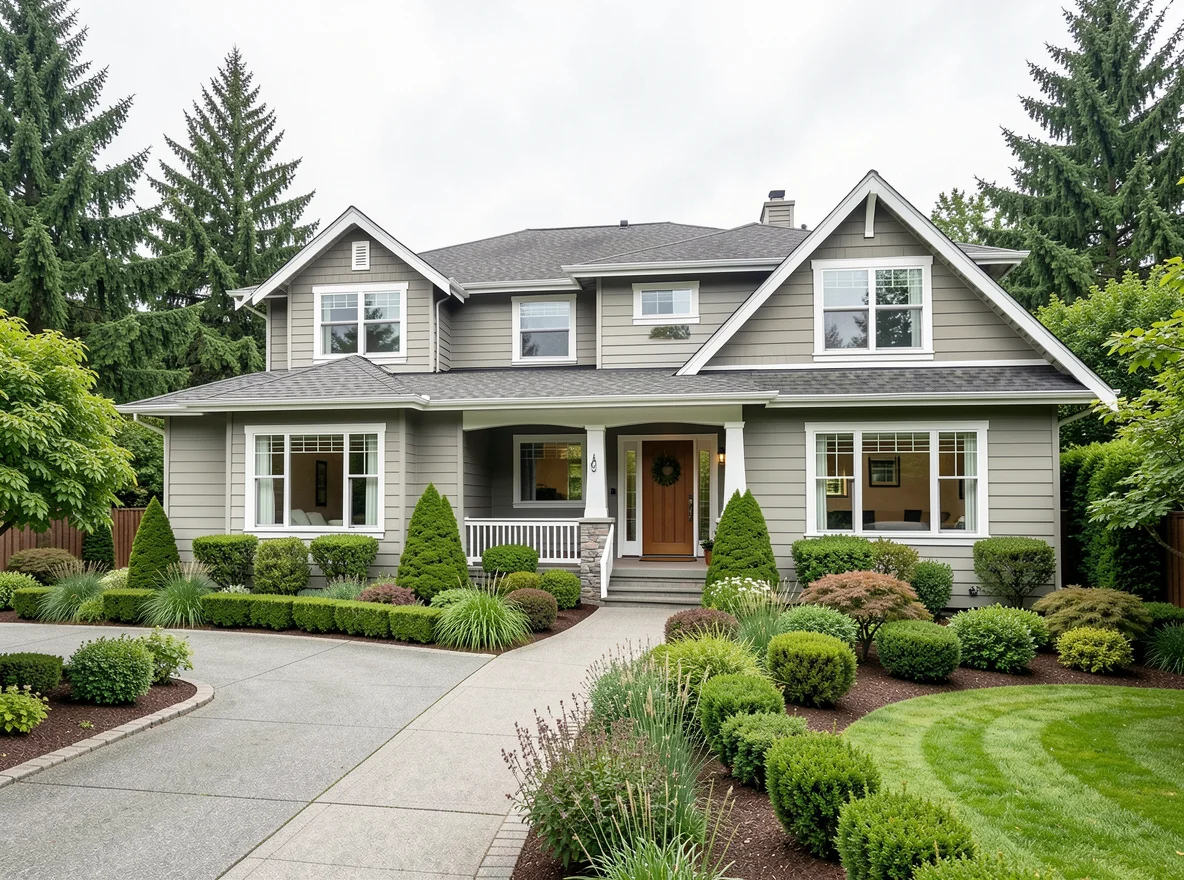
2. Not getting prequalified for a loan
In a market like Seattle, getting prequalified or preapproved before you shop is not just helpful — it’s essential. Online payment calculators can give you a rough estimate, but they don’t always account for local property taxes, homeowners insurance, HOA dues, or the realities of interest rates and loan guidelines.
Before you fall in love with a home in Ballard, West Seattle, Northgate, or Kirkland, it pays to know exactly what you can afford. In a fast-moving market, clarity on your budget helps you move quickly and make decisions with less stress.
Talking with a lender early gives you a more accurate picture of your buying power. You’ll likely need to provide income documentation, asset statements, and credit information, but that effort can pay off when it’s time to make an offer. Sellers and listing agents tend to take buyers more seriously when financing is already in motion, especially when multiple offers are on the table.
3. Not finding a qualified real estate agent
Because so much home shopping starts online, some first-time buyers wonder whether they really need an agent at all. But in the Seattle market, where timing, pricing strategy, and neighborhood knowledge can make a major difference, working with the right agent can be one of the smartest decisions you make.
A good agent does more than open doors. They help you understand local competition, evaluate value from one neighborhood to the next, and spot the difference between a home that’s priced strategically and one that may create problems later.
Seattle-area buyers often face trade-offs that aren’t obvious from listing photos alone. One home may offer more space but a longer commute. Another may be close to light rail, restaurants, and parks but come with less parking or a smaller lot. A knowledgeable agent can help you weigh those factors based on your goals, explain how different neighborhoods function day to day, and guide you through offer terms in a market where preparation matters.
4. Not spending time in the neighborhood
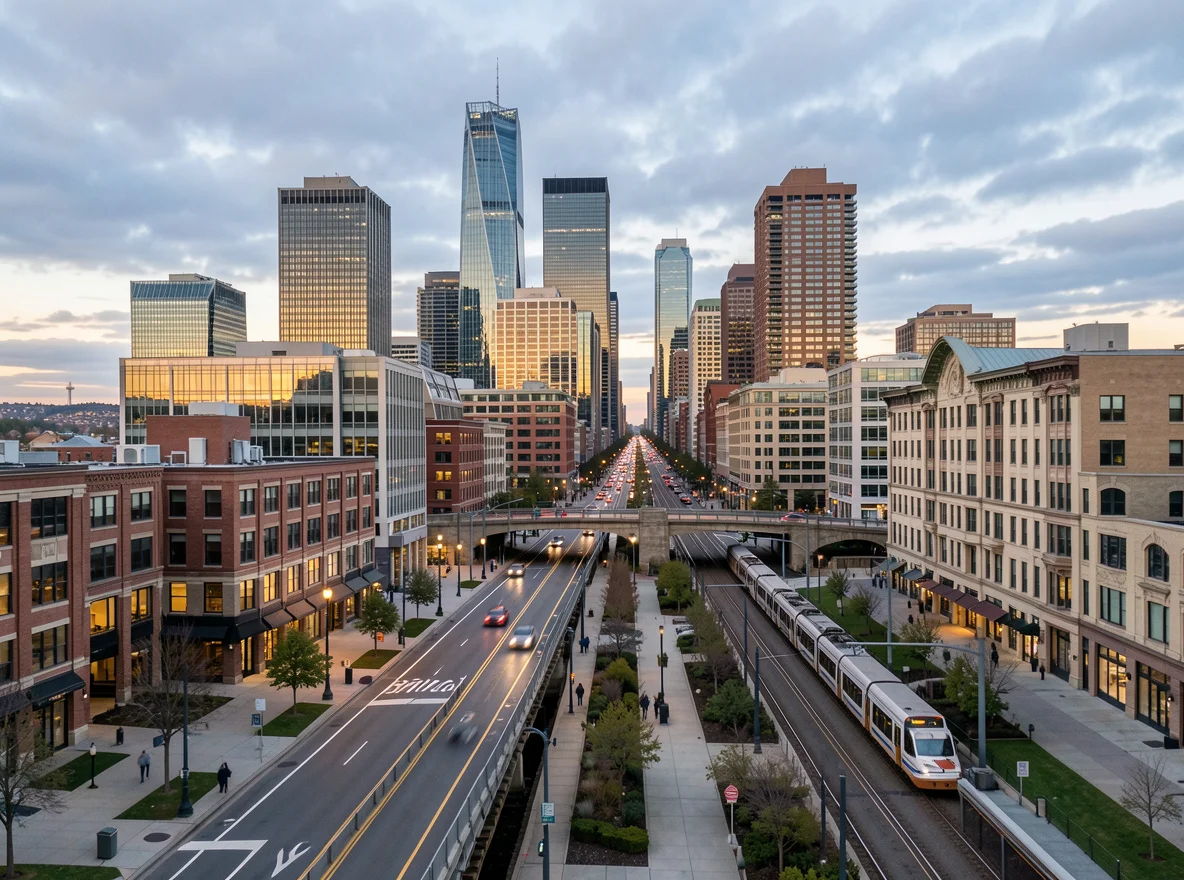
If you’re serious about a home, spend time in the surrounding area beyond the showing itself. In the Pacific Northwest, neighborhood feel can shift dramatically from one pocket to the next, even within the same part of the city. Visiting at different times of day can give you a much clearer sense of whether the location fits your lifestyle.
- How does the commute feel during actual weekday traffic, whether you’re driving into downtown Seattle, heading to the Eastside, or relying on transit?
- Are the coffee shops, grocery stores, parks, trails, and everyday conveniences you care about actually nearby and easy to access?
- What is the street like in the evening or early morning? Some homes feel peaceful during a midday tour but are much busier during rush hour, school pickup, or weekend activity.
- If walkability matters to you, test it. If quiet matters more, visit after dark and early in the morning so you understand the rhythm of the block before you commit.
 |
 |
5. Not understanding what’s fixable and what’s a deal-breaker
In Seattle and the Pacific Northwest, first-time buyers often tour homes with a mix of charm and compromise. Maybe the kitchen feels dated, the layout is a little awkward, or the basement raises questions. The challenge is knowing which issues are cosmetic, which are manageable improvements, and which ones deserve much closer scrutiny.
This is where experienced guidance matters. A strong real estate professional can help you separate cosmetic updates from more serious concerns, such as drainage issues, older systems, deferred maintenance, or other conditions that can show up in our wet climate and older housing stock.
That doesn’t mean every imperfect home is the wrong home. In fact, many first-time buyers build equity by choosing a property with solid fundamentals and a few updates they can make over time. But it’s important to understand the difference between a home that needs paint and patience and one that may require major repairs, difficult permitting, or a budget that no longer makes sense.
None of these mistakes have to keep you from buying your first home in Seattle or the Pacific Northwest. But they can slow you down, add unnecessary stress, and cost you money if you’re not prepared. When you understand your financing, get clear on your priorities, learn the neighborhoods, and work with the right professionals, you’ll be in a much better position to navigate the market and move forward with confidence.